
For landlords, developers, holiday lets and serviced apartments, the cooker is the appliance tenants and guests use most, and one of the first to generate a call when it goes wrong. The right choice means fewer call-outs, safer installations and a kitchen that lets or sells faster.
This guide covers the main types of oven, hob and cooker, how to choose the fuel and the size, what to plan before installation, and how to keep cooking appliances safe and working across a portfolio.
What this guide covers
Nine steps, from what matters in a rental kitchen to planning replacements.
What matters in a business setting
A cooker in a let, a lodge or a new build is used by people who did not choose it and may never have used one like it. That changes the brief: simple controls, solid build and easy cleaning matter more than a long list of programmes.
Types & layouts
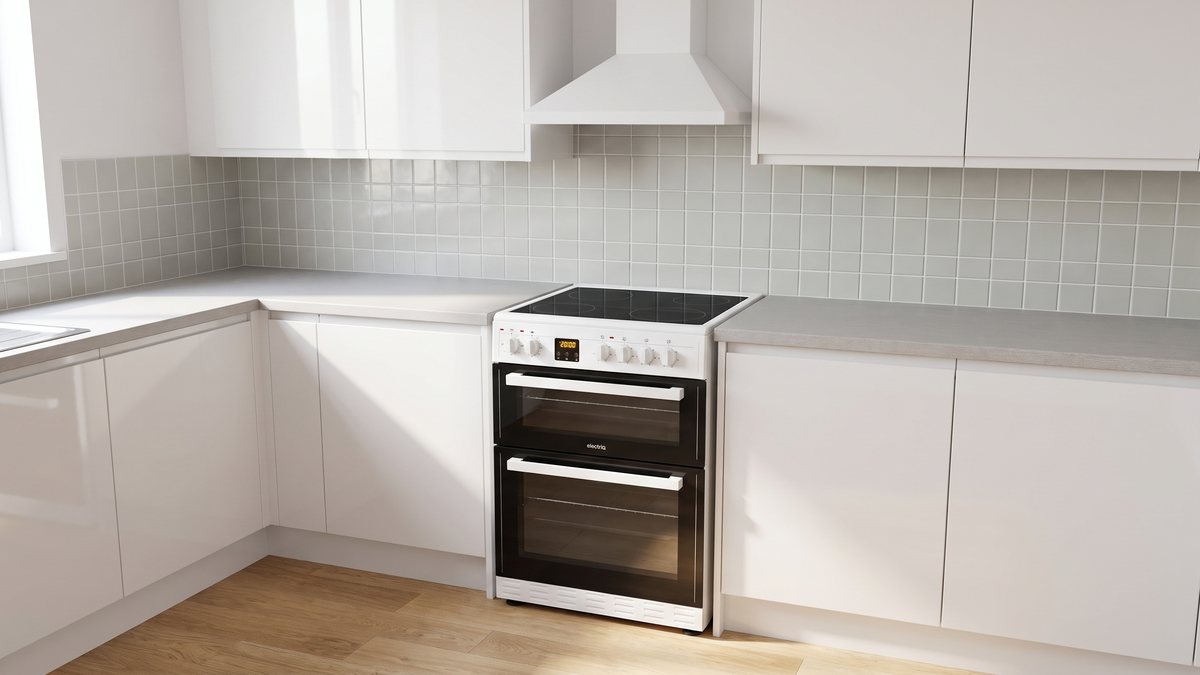
Start with the kitchen layout. A freestanding cooker drops into a gap between units; built-in ovens and hobs are fitted into the cabinets and worktop.
| Use / property | Typical choice | Why it works | Check |
|---|---|---|---|
| Flats & buy-to-let | Freestanding cooker, 50cm or 60cm | Quick to swap at the end of a tenancy, no cabinet work | Gap width, fuel supply and a stability bracket |
| HMOs & shared kitchens | Freestanding double oven cooker or separate oven and hob | Two cavities help when several people cook at once | Durability and easy-clean surfaces |
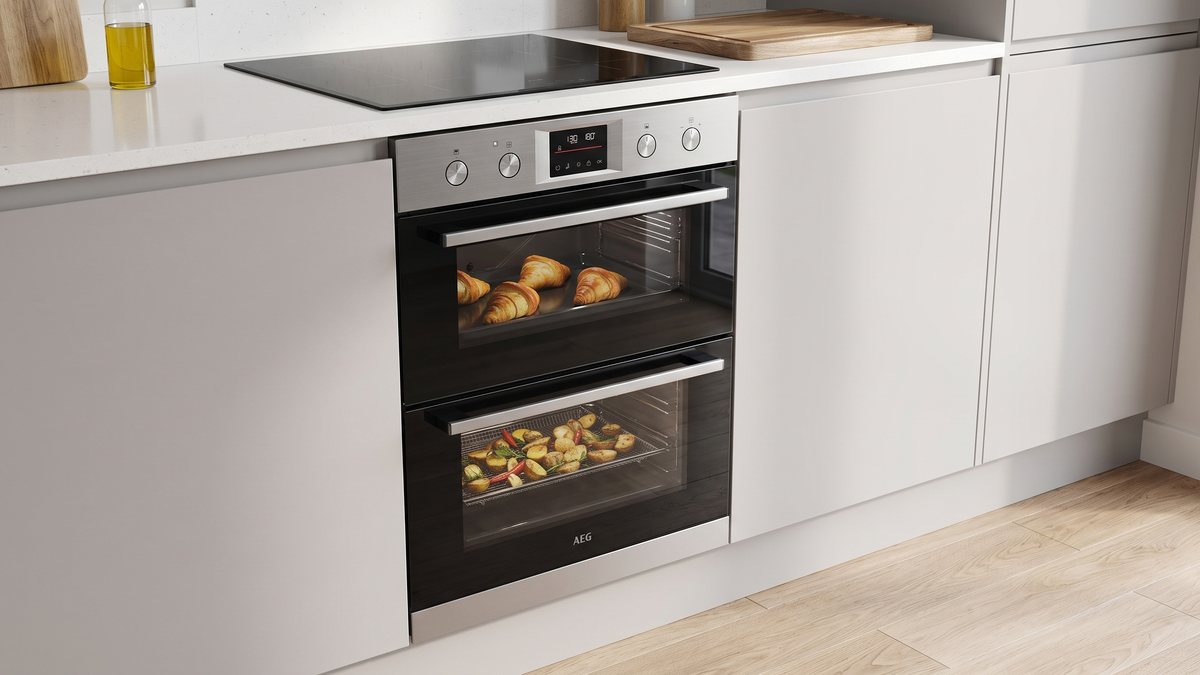
| New-build & build-to-rent | Built-in oven with a matching hob and hood | A fitted look buyers and tenants expect | Housing sizes and the cooker circuit rating |
| Holiday lodges & lets | Compact built-in or 50cm freestanding | Fits smaller kitchens and caravans | Fuel type on site, including LPG |
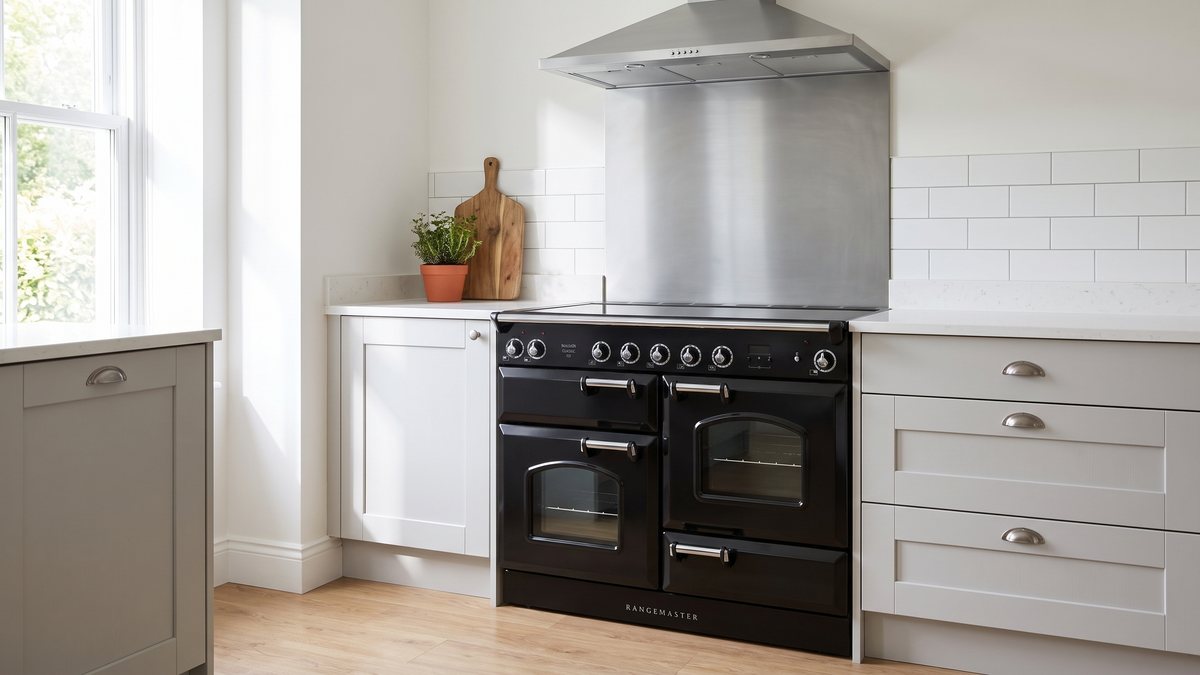
| Large houses & premium lets | Range cooker, 90cm to 110cm | Room to cook for big groups | Width, weight and the supply needed |
Gas, electric, induction or dual fuel
The fuel decides the installation, the running cost and how the hob behaves. Match it to the supply in the property before anything else.
| Fuel | Best for | Good to know | Check |
|---|---|---|---|
| Gas | Properties with a gas supply and tenants who prefer flame control | Needs a Gas Safe registered engineer to fit, and an annual safety check in rented homes | Natural gas or LPG; flame failure devices on every burner |
| Electric (ceramic) | Flats and properties with no gas | Smooth glass top that wipes clean | Most need a dedicated cooker circuit |
| Induction | New builds, serviced apartments and premium lets | Fast, efficient and the glass stays cooler around the pan | Pans must be magnetic; check the circuit rating |
| Dual fuel | Cooks who want a gas hob with an electric oven | Even oven heat with flame control on top | Needs both a gas supply and an electrical connection |
Size & capacity
Measure the space, then think about who is cooking and how many people they cook for.
Hoods & extraction
Good extraction keeps steam, grease and smells out of the kitchen, which protects decoration and helps prevent condensation and mould in rented homes.
Microwaves & compact cooking
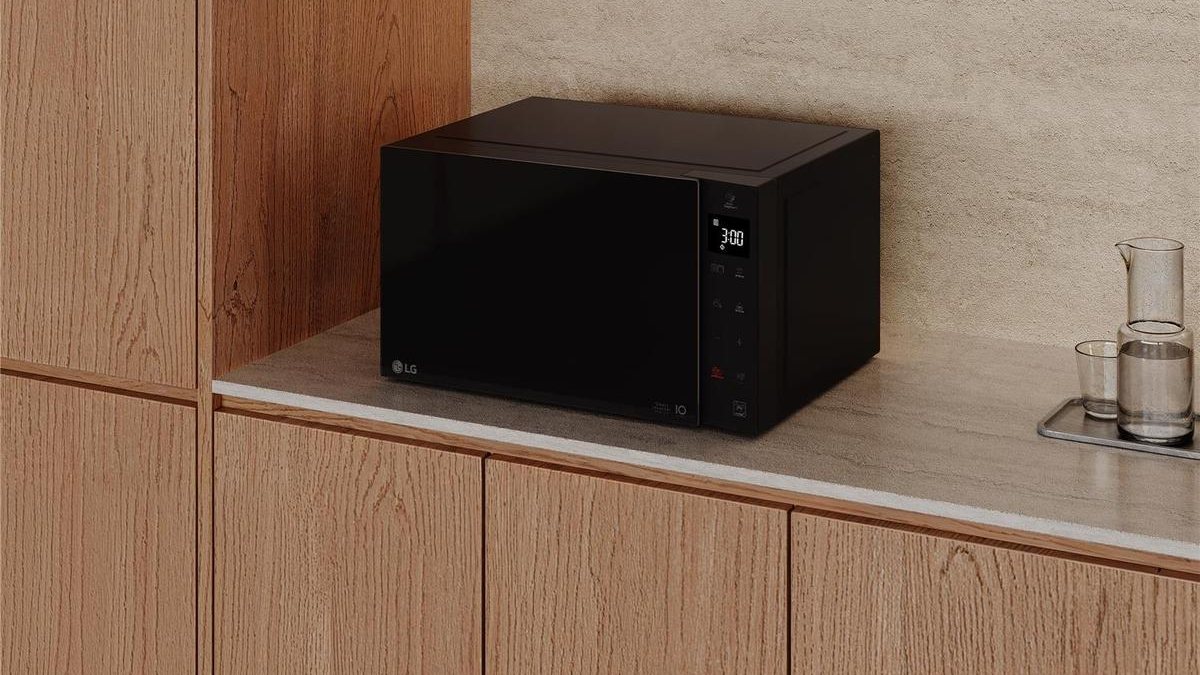
A microwave is often the second most used appliance in a let or a holiday home, and in studios and staff rooms it can be the main one.
Plan the installation
Most problems with cookers start at installation. Plan the fuel, the power and the space before the kitchen is fitted.
- Confirm the fuel: mains gas, LPG or electric only
- Check the cooker circuit rating against the appliance
- Measure gaps and housings, including door swing
- Gas appliances fitted by a Gas Safe registered engineer
- Electric ovens, hobs and cookers connected by a qualified electrician
- Stability bracket fitted to freestanding and range cookers
- Leave the instructions in the property
- Show staff or tenants how to clean the hob and oven
- Record the model and serial number for each property
Maintenance & lifecycle
A simple routine keeps cookers safe, clean and working between tenancies and bookings.
| Task | How often | Who |
|---|---|---|
| Clean hob, oven and hood filters | Every changeover or end of tenancy | Housekeeping or cleaning contractor |
| Check door seals and hinges | Every inspection | Property manager or FM team |
| Check the stability bracket is fitted | Every inspection | Property manager |
| Gas safety check | Every year for gas appliances in rented homes | Gas Safe registered engineer |
| Electrical installation check | At least every five years in private rented homes in England | Qualified electrician |
| Plan replacement | Typically 10 to 15 years, sooner in heavy use | Capital planning |
Budgeting & buying
Look at the cost over the life of the appliance: call-outs, cleaning time and replacement cycles, not just the purchase price.