
The kitchen is the most valuable functional space in any property. Whether it’s a compact studio kitchenette, a shared hospitality kitchen, or an open-plan showpiece, buyers and guests view it as the heart of modern living.
For property professionals, kitchens are also a key ROI driver — influencing rental rates, resale value, and long-term maintenance costs. This guide breaks down how to design, furnish, and specify kitchens that balance aesthetic impact, compliance, and operational performance across all project types.
Step 1: Define the Kitchen’s Role
Each project has unique end-user expectations. Identifying who will use the kitchen — and how often — determines materials, appliances, and layout.
| Project Type | Priorities | Recommended Approach |
|---|---|---|
| Residential developments / show homes | High-impact visuals, buyer appeal | Specify integrated appliances, premium finishes, and cohesive open-plan layouts. |
| Landlord & rental portfolios | Easy cleaning, durability, affordability | Choose hardwearing worktops, mid-range appliances, and simple layouts for low maintenance. |
| Hospitality & serviced apartments | Compliance, guest usability, fast maintenance | Install intuitive appliances, durable cabinets, and clear layout zoning for guest comfort |
| Holiday parks & lodges | Moisture resistance, modularity, replacement ease | Select water-resistant materials and compact integrated units for limited spaces |
| Holiday parks & lodges | Moisture resistance, quick-clean finishes, compact layouts | Use acrylic or composite shower panels, built-in storage, and space-saving sanitaryware. |
Step 2: Plan the Layout
Layout determines efficiency, safety, and user comfort.
- Galley kitchens: Ideal for small apartments and hospitality units; focus on vertical storage and clear work zones.
- L-shaped layouts: Maximise space efficiency in residential developments.
- U-shaped kitchens: Support larger family or shared spaces, allowing multiple users.
- Open-plan configurations: Use consistent finishes with dining/living areas for design flow.
- Utility integration: Incorporate laundry or storage zones within or adjacent to the main kitchen for added functionality.
Explore: Kitchen Furniture & Storage
Step 3: Appliance Selection
Appliances drive functionality, efficiency, and end-user satisfaction
Major Appliances
- Ovens & hobs: Induction hobs reduce energy use and improve safety; built-in ovens streamline presentation.
- Fridges & freezers: Integrated models enhance visual flow; freestanding options suit rapid replacement in rental portfolios.
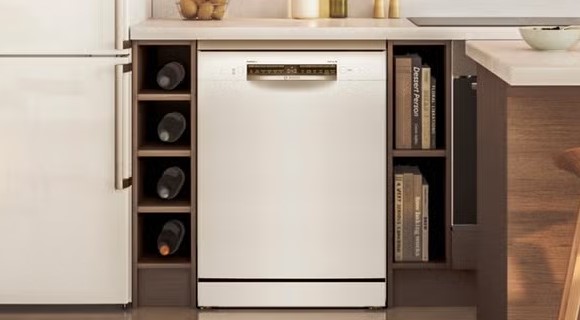
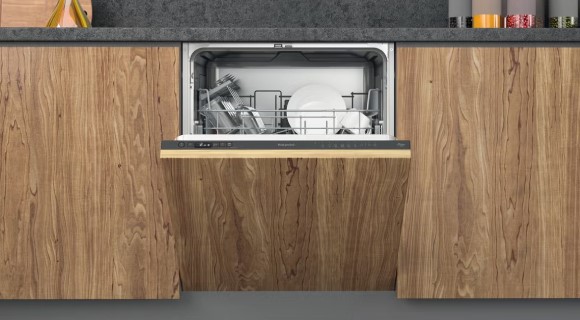
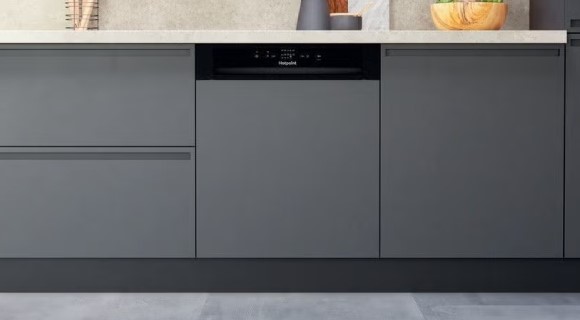
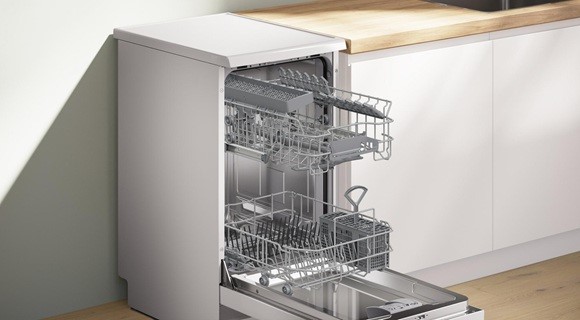
- Dishwashers: Essential for hospitality; slimline models fit compact kitchens.
- Cooker hoods: Ensure effective extraction — ducted systems where possible.
Small Appliances
- Microwaves, kettles, and toasters: Provide convenience in short-term lets and serviced accommodation.
- Compact appliances: Space-saving multi-function units are ideal for studio apartments.
Energy Performance
- Select A+ or higher rated appliances to support sustainability and compliance with MEES and EPC standards.
Explore: Kitchen Appliances, Small Appliances
Step 4: Worktops, Cabinets & Finishes
Durability and style must align to create a cohesive, long-lasting kitchen environment
-
Worktops:
- Laminate for affordability and easy maintenance.
- Quartz or composite for luxury developments.
- Solid surface materials for high-end hospitality suites.
- Cabinets: Melamine, PVC-wrapped MDF, or moisture-resistant MFC ensure longevity.
- Hardware: Soft-close mechanisms and anti-slam hinges extend product lifespan.
- Splashbacks: Acrylic or tempered glass surfaces protect walls while adding modern appeal.
- Colour trends: Neutrals like white, grey, and oak remain versatile; matte finishes hide fingerprints for cleaner presentation.
Explore: Kitchen Furniture
Step 5: Lighting & Electricals
Lighting should combine compliance, practicality, and ambience.
- Task lighting: Under-cabinet LEDs or recessed strips improve workspace visibility.
- Ambient lighting: Pendant fixtures over islands or dining areas create a design focal point.
- Accent lighting: Spotlights or wall washers highlight finishes and textures.
- Electrical compliance: All installations must meet Part P and BS 7671 regulations for safety.
Explore: Kitchen Lighting
Step 6: Water, Waste & Ventilation
Every professional kitchen design must prioritise hygiene and efficiency.
- Sinks: Stainless steel or granite composite sinks offer durability and easy cleaning.
- Taps: Monobloc mixers with aerators reduce water waste.
- Waste systems: Built-in recycling bins simplify compliance with waste segregation requirements.
- Ventilation: Energy-efficient extractor hoods maintain air quality and prolong appliance life.
Explore: Sinks & Taps
Step 7: Sustainability & Compliance
- Fire safety: Use fire-retardant panels and ensure hobs are positioned safely from combustible surfaces.
- Electrical & gas certification: All fitted kitchens in multi-occupancy buildings must meet UK Gas Safe and electrical standards.
- Sustainability: Choose FSC-certified cabinetry and energy-efficient appliances.
- Water efficiency: Select dishwashers and taps with reduced-flow technology to meet environmental targets.
- Lifecycle management: Track appliance warranties and replacement cycles for cost planning.
Explore: Sustainable Kitchens
Step 8: Styling & Integration
Design cohesion between the kitchen, dining, and living areas enhances perceived value.
- Colour consistency: Carry tones through adjacent zones for visual flow.
- Texture contrast: Combine matte cabinets with gloss splashbacks for depth.
- Decorative accents: Lighting, bar stools, and small accessories reinforce brand personality in hospitality and show units
- Photography & marketing: Coordinate display kitchens across developments for a consistent digital presence.
Step 9: Procurement & Project Efficiency
Large-scale projects benefit from structured procurement strategies
- Kitchen “fit-out packs”: Include cabinets, appliances, lighting, and fixtures in one standardised order.
- Trade pricing: Leverage cross-brand deals from Appliances Direct, Furniture 123, and Better Bathrooms.
- Delivery management: Centralised scheduling reduces installation delays.
- Aftercare: Consolidate warranties and replacements through Buyit’s trade account system.
Contact our B2B account manager for project consultation and bulk-order kitchen specifications.
Explore More by Industry
Builders & Construction
Holiday Parks
Hospitality
Landlords & Property Developers