
From compact city apartments to holiday lodges and micro-suites, small spaces now represent one of the fastest-growing segments in property and hospitality design. As urban density increases and guest expectations evolve, developers and operators are learning that clever design, modular furniture, and efficient layouts can maximise both usability and profitability.
For property developers, landlords, hospitality operators, and trades professionals, optimising small spaces means balancing form, function, and compliance — while maintaining brand consistency and cost control. This guide explores how to plan, furnish, and fit out compact environments to deliver big value, with SEO insights for sourcing and specification.
Step 1: Understand Compact Property Types
Different small-space environments come with unique challenges and opportunities.
| Project Type | Typical Size | Key Priorities |
|---|---|---|
| Studio or micro-apartments | 20–40m² | Multi-purpose layouts, storage integration, space-saving appliances. |
| Serviced apartments & aparthotels | 25–60m² | Flexible furniture, comfort, compliance, and rapid maintenance |
| Holiday lodges & cabins | 30–70m² | Durability, moisture resistance, multi-use spaces |
| Student or build-to-rent units | 15–35m² | Repeatable design templates, durability, and ergonomic comfort |
Pro Tip: Always design around zoning — using furniture, lighting, or flooring changes to define living, dining, and sleeping areas without structural partitions.
Related resources: Living Room | Kitchen | Bedroom | Office | Bathroom
Step 2: Plan for Multifunctionality
Small spaces must work hard. Every piece of furniture should offer more than one function.
- Modular furniture: Sectional sofas, configurable tables, and expandable desks adapt easily to user needs.
- Transformable furniture: Wall beds (Murphy beds), foldaway tables, and ottoman storage seating add flexibility.
- Room zoning: Use rugs, pendant lighting, or screens to define areas without losing openness.
- Open shelving: Provides visual separation while maintaining light flow — ideal for studio apartments or holiday units.
Explore: Modular Furniture, Multifunctional Furniture
Step 3: Key Room Strategies
Optimising each space type ensures every metre adds value.
Living Areas
- Sofa beds: Combine lounging and sleeping functionality — essential for short-stay rentals.
- Wall-mounted media units: Save floor space while concealing cabling.
- Compact side tables: Choose nesting or folding designs.
Bedrooms
- Ottoman and lift-up beds: Provide hidden storage without additional furniture.
- Sliding wardrobes: Reduce clearance needs while maximising capacity.
- Neutral tones: Visually expand smaller rooms and create a timeless aesthetic.
Kitchens
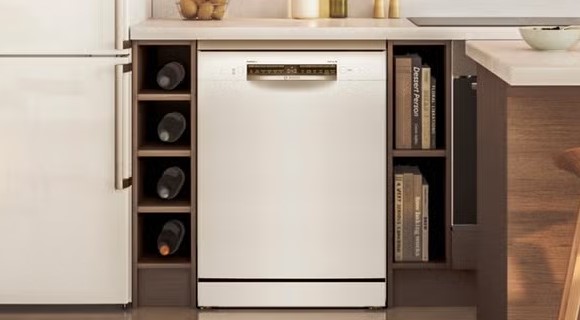
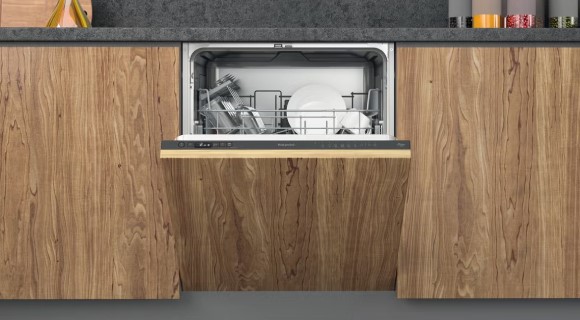
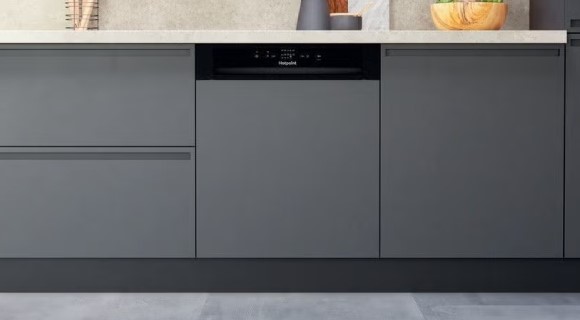
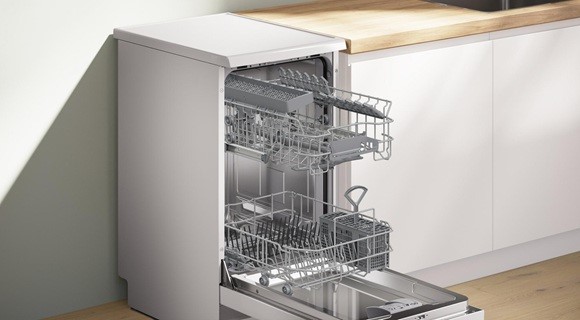
- Slimline appliances: 45cm dishwashers, 50cm hobs, and under-counter fridges preserve usable counter space.
- Modular units: Pre-assembled cabinetry shortens fit-out time for developers.
- Integrated storage: Use pull-out pantries, corner carousels, and vertical shelving.
Bathrooms
- Wall-hung sanitaryware: Increases floor visibility and ease of cleaning
- Compact shower enclosures: Corner or sliding designs optimise small footprints.
- Light-reflective materials: Gloss tiles and glass panels enhance spaciousness.
Home Office Corners
- Fold-down desks: Create temporary workstations within living or bedroom zones.
- Under-stair or alcove setups: Turn unused corners into functional office nooks
- Cable-free lighting: Rechargeable LED task lamps avoid clutter.
Explore: Compact Furniture, Slimline Appliances
Step 4: Lighting and Spatial Perception
Lighting design plays a huge role in how large a room feels.
- Layered lighting: Combine ambient, task, and accent lighting to add depth.
- LED integration: Under-cabinet and recessed LEDs create clean sightlines.
- Mirrors & reflection: Use wall mirrors and glossy finishes to double perceived space.
- Natural light: Maximise window area or use sheer curtains for diffusion.
- Smart lighting systems: Motion sensors or app control reduce clutter and energy use.
Explore: Lighting Solutions
Step 5: Storage Strategies for Compact Spaces
Storage can make or break small-space functionality.
- Vertical storage: Use tall wardrobes, wall shelves, or pegboard systems to draw the eye upward.
- Hidden compartments: Under-bed or bench seating storage keeps clutter out of sight.
- Built-in cabinetry: Tailor solutions to awkward spaces like eaves, alcoves, or corners.
- Dual-purpose furniture: Coffee tables with drawers or lift-up lids maximise efficiency.
- Bathroom niches: Recessed shelving adds storage without intruding into the footprint.
Explore: Storage Solutions
Step 6: Materials, Finishes & Colour Strategy
Compact spaces benefit from cohesive, light, and durable finishes.
- Lighter tones: Whites, greys, and pale woods visually enlarge spaces.
- Reflective surfaces: Gloss and glass amplify light; matte finishes create warmth
- Durable materials: Laminate and composite resist wear in high-traffic units.
- Minimalist hardware: Handleless cabinets and flush fittings reduce visual clutter.
- Consistent palette: Extend one colour scheme across kitchen, dining, and living zones for flow.
Explore: Interior Finishes
Step 7: Compliance & Accessibility
Even compact environments must meet building and safety regulations.
- Fire safety: Upholstered furniture must comply with Crib 5 / BS7176 standards in multi-occupancy or commercial builds.
- Ventilation: Adhere to Part F ventilation requirements — especially in combined living/kitchen areas.
- Lighting efficiency: Meet Part L energy standards with LED fittings and motion sensors.
- Accessibility: Maintain minimum circulation widths and ensure kitchens/bathrooms meet Part M requirements where applicable.
Explore: Contract Furniture, Compliant Appliances
Step 8: Sustainability & Lifecycle Planning
Compact design naturally supports sustainability, but choices still matter.
- Low-VOC materials: Support healthier indoor air quality.
- Energy-efficient appliances: Reduce operational costs and improve EPC ratings
- Multi-use longevity: Modular, repairable furniture reduces landfill waste.
- Recycled content: Select items made from post-consumer or FSC-certified materials.
- Transport efficiency: Choose suppliers offering consolidated delivery to reduce carbon footprint.
Step 9: Procurement & Project Efficiency
When fitting out multiple compact properties, efficient sourcing and repeatable specifications save time and cost.
- Standardised compact packs: Combine slimline kitchen appliances, space-saving furniture, and multifunctional fittings in one order.
- Volume discounts: Buyit’s trade network provides competitive pricing for developers and operators.
- Delivery coordination: Streamlined logistics reduce on-site congestion in urban or off-grid locations.
- Aftercare & warranty: Centralised service support simplifies replacements and maintenance.
- Digital catalogues: Maintain repeatable SKUs across developments for easy reordering.
Contact, our dedicated B2B account managers to discuss tailored small space furniture and design support.
Explore More by Industry
Builders & Construction
Holiday Parks
Hospitality
Landlords & Property Developers