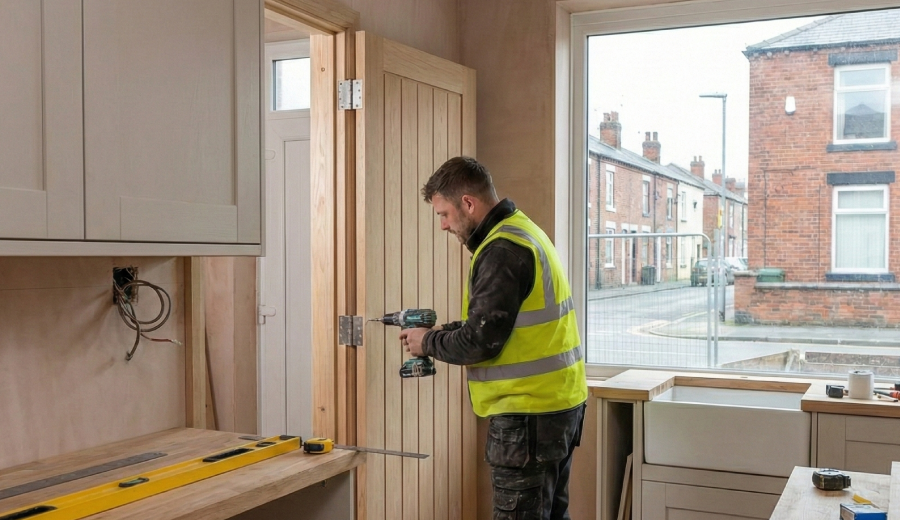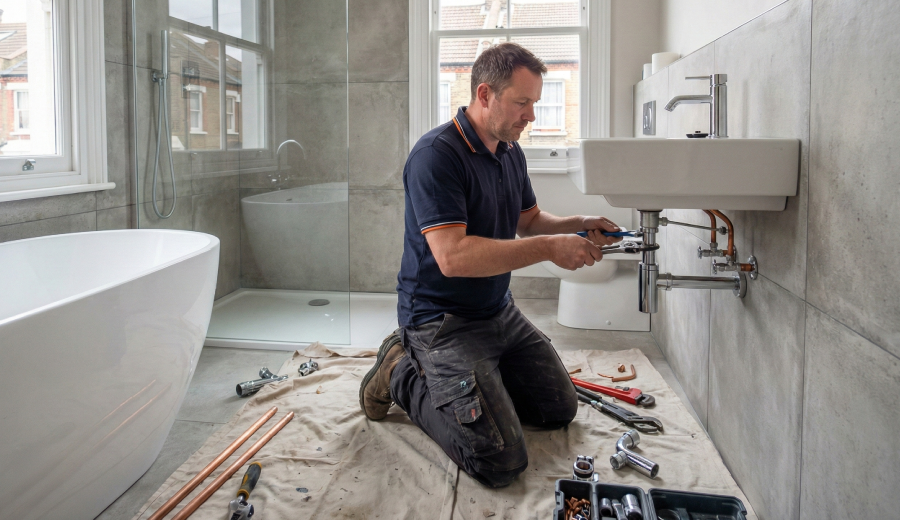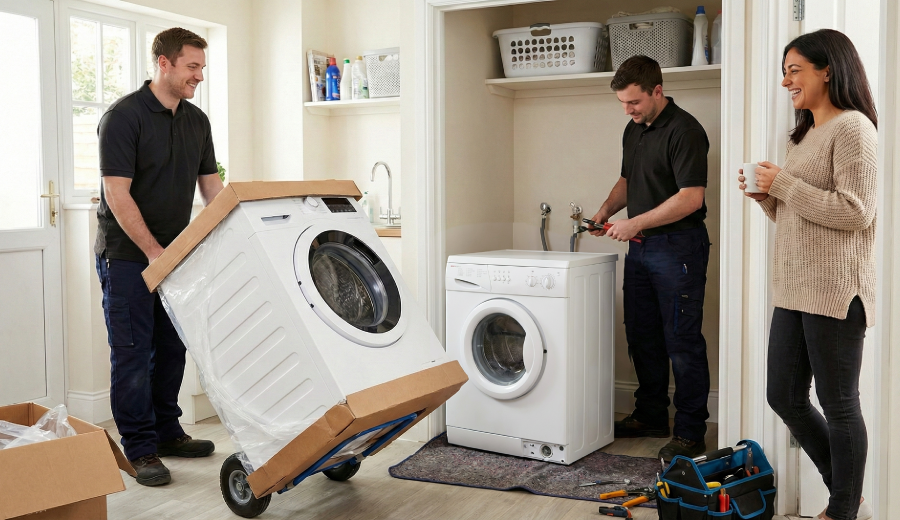
Behind every successful property or hospitality development lies an often-overlooked hero: the utility room. These spaces are the backbone of operational efficiency, whether supporting daily living in apartments, guest turnover in holiday parks, or housekeeping services in hotels. A well-designed utility area can reduce maintenance costs, extend appliance lifespan, and streamline workflow — all while reinforcing a property’s reputation for quality.
This comprehensive guide helps developers, landlords, and operators design, equip, and future-proof utility and laundry spaces for maximum performance, energy efficiency, and commercial value.
Step 1: Identify the Utility Room’s Role
Utility spaces are as diverse as the properties they serve. Defining their function at the planning stage ensures that plumbing, electrics, and storage align with real-world use.
| Project Type | Primary Function | Design Priority |
|---|---|---|
| Residential developments / show homes | Demonstrate lifestyle and build quality | Integrated, quiet-running appliances and cohesive finishes that showcase design potential. |
| Landlord & rental properties | Tenant convenience and durability | Compact, low-maintenance, energy-efficient layouts that are easy to service or replace. |
| Hospitality & serviced apartments | Fast turnaround and staff efficiency | Commercial-grade, quick-cycle appliances and easy access for housekeeping. |
| Holiday parks & lodges | Space efficiency and weather resilience | Ventilated, moisture-proof cabinetry and external access for cleaning and laundry management. |
Pro Tip: Developers should allow at least 1.8m² per appliance pair (washer/dryer) for adequate ventilation, service access, and safety clearance.
Related resources: Kitchen | Small Spaces | Hospitality Buying Guide
Step 2: Layout & Workflow Planning
An efficient utility room design considers flow, ergonomics, and accessibility.
- Workflow: Arrange appliances from dirty to clean — washing machine → dryer → folding area → storage.
- Compact stacking: Ideal for apartments or secondary laundries; choose matched washer/dryer sets for stability.
- Side-by-side setups: Provide superior ergonomics and countertop workspace in larger or shared facilities.
- Service access: Position plumbing, electrics, and filters for easy maintenance.
- Ventilation: Meet Building Regulations Part F with mechanical extract or passive venting
- Accessibility: Ensure controls, plugs, and detergent drawers are within reach per Part M requirements.
Explore: Laundry Appliances
Step 3: Appliance Specification
Choosing the right appliances ensures performance, compliance, and energy efficiency.
Washing Machines
- Capacity: 7–9kg for residential use, 10–12kg for hospitality or shared laundries.
- Energy Ratings: Select A–A+++ for reduced electricity and water use.
- Noise Levels: Under 72 dB helps minimise disruption in apartments.
- Commercial-Grade Models: Look for reinforced bearings, extended warranties, and rapid cycle options for high-usage environments.
Tumble Dryers
- Heat Pump Technology: Uses up to 50% less energy than vented dryers.
- Condensing Units: Eliminate the need for external ducting — ideal for compact or internal rooms.
- Sensor Drying: Prevents over-drying and extends linen lifespan.
Additional Appliances
Include ironing stations, garment steamers, or drying cabinets in serviced apartments or hotels to improve turnaround speed.
Step 4: Cabinetry, Storage & Worktops
Utility furniture must handle heat, moisture, and vibration while providing practical organisation.
- Cabinet Materials: Moisture-resistant MFC, PVC-edged MDF, or marine-grade plywood for long-term durability.
-
Storage Layout:
- Wall-mounted cabinets for detergents and cleaning supplies
- Base cupboards for baskets, laundry bins, or folded linen.
- Integrated shelving for utility consumables and towels.
-
Worktops:
- Laminates for cost-effective durability.
- Composite or quartz for high-end developments or hospitality suites.
- Safety: Include lockable cleaning storage in family, hospitality, or multi-occupancy environments.
- Utility Rails & Hooks: Keep mops, brooms, and ironing boards neatly stored.
Explore: Utility Furniture, Storage Solutions
Step 5: Plumbing, Electricals & Compliance
A utility room brings multiple services into one compact space, making technical planning essential.
-
Plumbing:
- Use isolation valves and flexible braided hoses for easy maintenance.
- Install drip trays and leak detection sensors under appliances
- Fit non-return valves to prevent backflow in commercial sites.
-
Electricals:
- Ensure outlets comply with BS 7671 and use RCD protection.
- Plan separate circuits for washers and dryers to prevent overloads
- Provide sufficient socket height (450–1200mm) for accessibility
-
Ventilation:
- Mechanical extraction or external venting reduces condensation and mould risk.
- In sealed lodges or basement utilities, consider humidistat-controlled fans.
-
Drainage & Waterproofing:
- Install waterproof wall finishes and sealed skirting for splash protection.
- Use floor gradients or drainage points for heavy-duty or shared laundries
Explore: Plumbing Accessories
Step 6: Flooring & Surface Finishes
The right finishes prevent damage and reduce operational costs.
-
Flooring:
- Slip-resistant vinyl or porcelain tile for easy cleaning and safety
- Rubber underlay to absorb vibration and reduce appliance noise
- Avoid timber floors unless fully sealed.
-
Walls:
- Water-resistant paints or tiled splashbacks for durability
- Integrated upstands behind worktops to prevent water damage
-
Lighting:
- Use bright, cool-white LED task lighting for visibility.
- Consider motion sensors in communal or staff areas to save energy.
Explore: Flooring Solutions, Lighting
Step 7: Sustainability & Operational Efficiency
Utility spaces are high-impact areas for sustainability gains.
- Energy Efficiency: Choose A+++ appliances and schedule off-peak operation where possible
- Water Management: Install flow restrictors, greywater systems, or reuse condensate where permitted.
- Smart Monitoring: Integrate IoT systems to track energy and water consumption across developments.
- Detergent Efficiency: Provide eco-labeled cleaning products in serviced accommodation welcome packs.
- Ventilation Controls: Sensor-based fans improve air quality and reduce continuous energy draw.
- Case Insight: A 50-unit serviced apartment building that upgraded to heat-pump dryers saved over £6,000 annually in energy costs and reduced maintenance calls by 30%.
Explore: Sustainable Appliances, Smart Controls
Step 8: Noise, Comfort & User Experience
Noise management is crucial, especially in multi-unit or hospitality environments.
- Acoustic Insulation: Add wall panels or acoustic boarding in corridors adjacent to utility rooms.
- Anti-Vibration Pads: Reduce transmission in stacked washer-dryer installations.
- Soft-Close Cabinetry: Prevent impact noise and enhance perceived quality..
- Zoning: Position utility rooms away from living and sleeping areas in development layouts.
- Aesthetics: Conceal appliances behind cupboard doors for premium appeal in show homes and serviced apartments.
Explore: Sustainable Bathrooms
Step 9: Maintenance & Lifecycle Planning
A well-maintained utility space extends the value of both appliances and property.
- Routine Checks: Inspect filters, hoses, and vents quarterly to prevent costly leaks or downtime.
- Service Contracts: Hospitality and multi-unit operators should partner with service providers for annual inspections.
- Appliance Lifespans: Expect 5–7 years for standard machines; 10+ for commercial-grade models.
- Replacement Cycles: Schedule budget forecasts for upgrades to maintain EPC standards.
- Cleanliness Protocols: Establish standard operating procedures for cleaning and disinfection in guest or shared spaces.
Explore: Maintenance Tools
Step 10: Procurement & Project Efficiency
Effective procurement turns complex multi-site fit-outs into streamlined, cost-controlled projects.
- Standardised Utility Packs: Predefined combinations of appliances, cabinets, and fixtures simplify repeat orders across developments.
- Bulk Discounts: Leverage Buyit’s trade pricing from Appliances Direct, Furniture 123, and Better Bathrooms.
- Centralised Delivery: Coordinate logistics for on-site installation and phased build programmes.
- Warranty Consolidation: Track all SKUs and warranties via central B2B accounts for easy replacements.
- Aftercare Support: Access trade service teams for warranty claims and maintenance scheduling.
Explore: contact our dedicated B2B account management for project-specific utility room packages or volume trade quotes.