
7 September 2026
For landlords, hotels, holiday parks and developers, a reliable dishwasher is part of what keeps guests happy and costs under control. The right choice means fewer complaints and breakdowns, lower water and energy bills across many units, and simpler servicing and spares.
This guide covers the types, capacities and features that matter, how to plan the installation, and how to look after dishwashers across a portfolio.
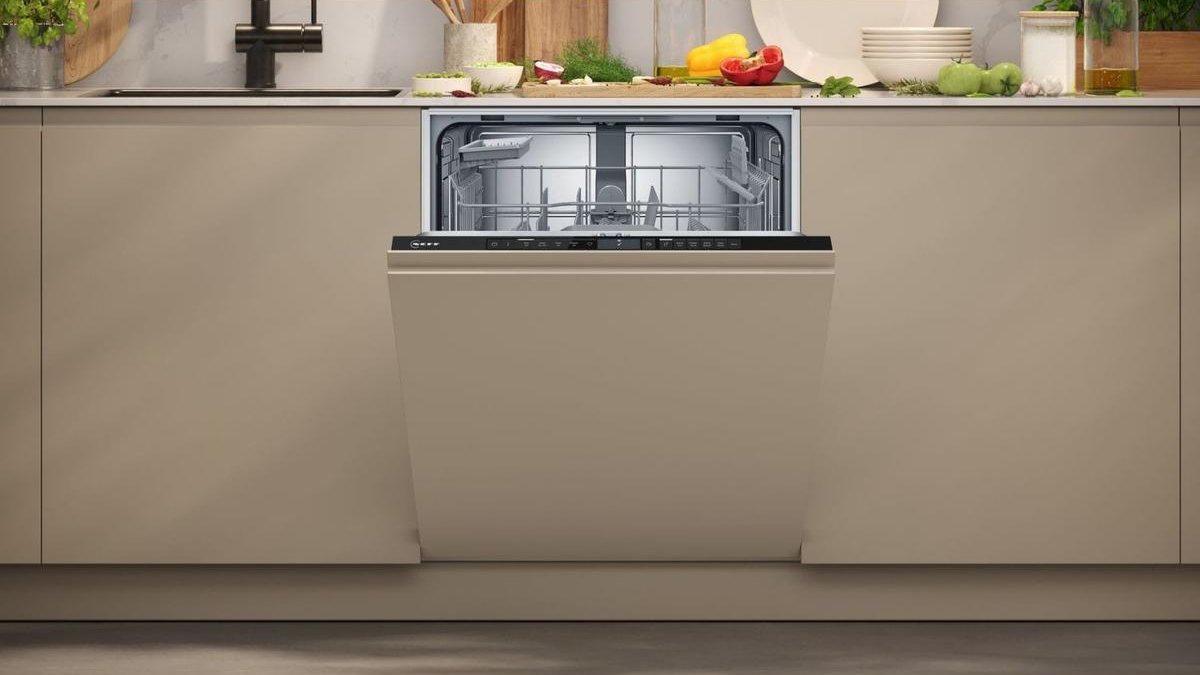
What this guide covers
Nine steps, from how a dishwasher works to planning replacements.
1
What matters in a business setting
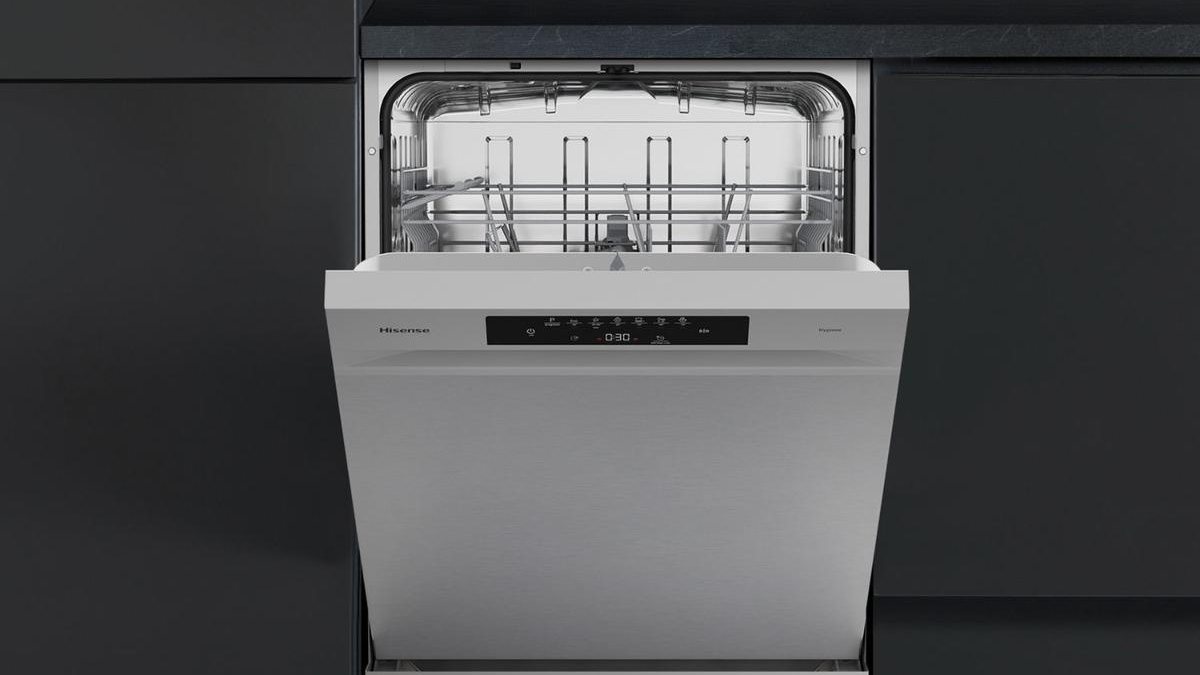
A dishwasher sprays hot water and detergent over the load under pressure, then drains, rinses and dries. Better models use sensors and smarter water management to clean well while using less water and energy.
Reliability
It has to cope with repeated cycles, day after day.
Low maintenance
Easy-to-clean filters and simple controls keep call-outs down.
Running costs
Water and energy use adds up across many units.
Standardisation
The same model across properties makes repairs and spares simpler.
2
Types & layouts
Match the type of dishwasher to the property and how it is used.
| Use / property | Typical type | Why it works | Check |
|---|---|---|---|
| Flats & landlord kitchens | Freestanding or integrated, 60cm or 45cm | Standard models that fit beside the sink or behind a door | Plumbing, drainage and cabinet fit; one model for easier spares |
| HMOs & shared kitchens | Slimline or compact | Fits tight kitchens | Load capacity and durability |
| Holiday lodges & self-catering | Fully or semi-integrated | Clean look and simple controls for guests | Door hinge type in tight layouts |
| Hotel, café & restaurant kitchens | Commercial undercounter or pass-through | Fast cycles and heavy-duty build | Water supply, drainage and detergent dosing |
| Temporary or site kitchens | Table-top | Needs little space | Smaller capacity and more frequent refilling |
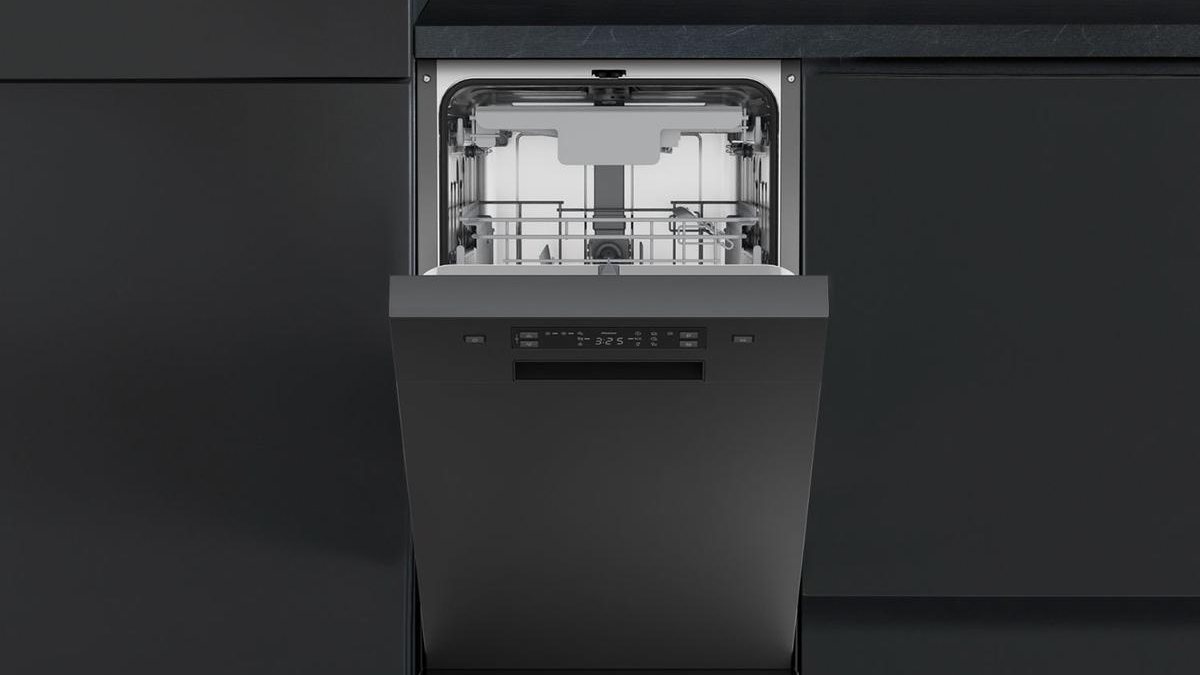
Freestanding
Stands alone, so it is the easiest to replace or move.
Fully integrated
Hidden behind a cabinet door for a seamless kitchen.
Semi-integrated
Controls stay visible with the door closed.
Slimline & table-top
Narrower 45cm or worktop models for small kitchens and flats.
Pro tip
Check the hinge type on integrated models. Fixed and sliding hinges move the cabinet door differently, which matters in tight kitchens.
3
Capacity, cycles & performance
Capacity is measured in place settings: how many sets of crockery fit in one load.
Flats & small units
Around 8 to 12 place settings.
Family & holiday units
Around 12 to 14 place settings or more.
Commercial machines
Measured by rack size and how many cycles an hour they can run.
Consistency
When rolling out many units, one capacity across the portfolio simplifies spares and maintenance.
Features that earn their keep
Sensor wash
Detects how dirty the load is and adjusts water and time.
Quick cycles
Short programmes for fast turnarounds.
Better drying
Auto-open doors and extra-dry options.
Adjustable baskets
Room for large or awkward items.
4
Efficiency & water use
Efficiency matters most when it is multiplied across a portfolio.
Energy label
The A to G label is the benchmark. A more efficient machine costs less to run over its life.
Water use
Water use varies by model and programme, so compare the figures on the label.
Eco & load sensing
Eco programmes and load sensing cut use on light or half loads.
Usage patterns
Holiday units are often run half full, so load-sensing models pay off there.
5
Choosing for property, hospitality & holiday parks
In commercial and multi-unit settings, look beyond washing performance.
Durability
Choose models proven in heavy use, and commercial machines where volumes demand it.
Servicing & parts
Use the same models across sites so parts and engineers are standard.
Water pressure
Check the supply meets the machine’s minimum pressure and flow, especially on remote sites.
Drainage
Plan traps and backflow prevention properly.
Noise
Quiet models reduce complaints in open-plan and guest units.
Clear controls
Simple programmes and clear instructions help tenants, guests and staff.
Smart monitoring
Wi-Fi models with fault alerts help facilities teams act before a call-out.
Future-proofing
Choose models that exceed today’s minimum standards.
6
Features that add value
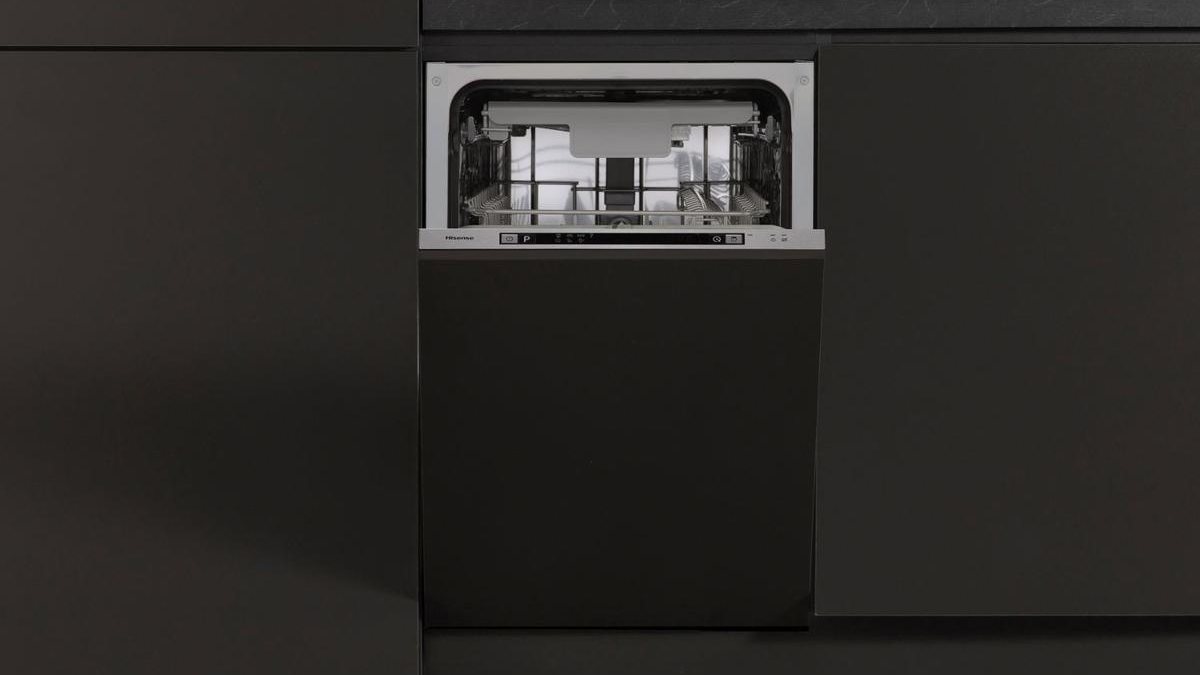
Remote monitoring
Shows usage and faults so problems are fixed sooner.
Auto-open drying
Faster drying and less trapped moisture during empty periods.
Flexible racks & cutlery trays
Make loading easier for every kind of user.
Low-noise design
Fewer complaints in guest and open-plan kitchens.
Anti-flood protection
Useful where guests may misuse the machine.
Auto-dosing
Standardises detergent and rinse aid use across many units.
7
Plan the installation
Build the dishwasher into the plumbing and electrical design early.
Before fit-out
- Include water inlets and drainage in the M&E design
- Confirm water pressure, flow rate and pipe sizing
- Plan traps, backflow prevention and cleanouts
At fit-out
- Leave room for service access
- Choose the hinge type and door panel for integrated models
- Label supplies and isolate circuits
At handover
- Hand over manuals and usage instructions
- Show staff how to clean the filters
- Leave spare filters on site
8
Maintenance & lifecycle
Dishwashers used by many people need a regular maintenance routine.
| Task | How often | Who |
|---|---|---|
| Clean filters | Weekly to monthly | On-site staff or FM team |
| Check spray arms | Monthly | FM team or service contractor |
| Top up salt and rinse aid | As needed | On-site staff |
| Inspect hoses and seals | Quarterly | FM team or service contractor |
| Descale and deep clean | Twice a year | Contractor |
| Full service | Annually | Qualified engineer |
| Plan replacement | Every 8 to 12 years, sooner in heavy use | Capital planning |
Good to know
Poor maintenance means worse cleaning, more breakdowns and a risk of bacteria building up.
9
Budgeting & buying
Think about running costs and reliability over the machine’s life, not just the purchase price.
Domestic models
Low upfront cost and steady savings for flats, holiday units and guest kitchens.
Slimline models
Fit tight layouts and use less water and energy per load.
Commercial machines
Higher throughput and faster turnaround for restaurant and back-of-house kitchens.
One supplier, several brands
Buyit brings Appliances Direct, Furniture 123, Better Bathrooms and Outdoor Living together in one B2B account.
Equipping kitchens across a portfolio?
Talk to our B2B account managers about dishwashers for your properties and volume quotes.
Contact our B2B team