
Energy ratings explained
Are you shopping for an appliance or want to wise up on 21st-century energy ratings? Then you've come to the right place. As one of the UK's leading appliance retailers, we're here to debunk the junk and explain everything you need to know about past, present, and future ratings. So, without further ado, let's get your energy rating explained.
Why have energy ratings changed?
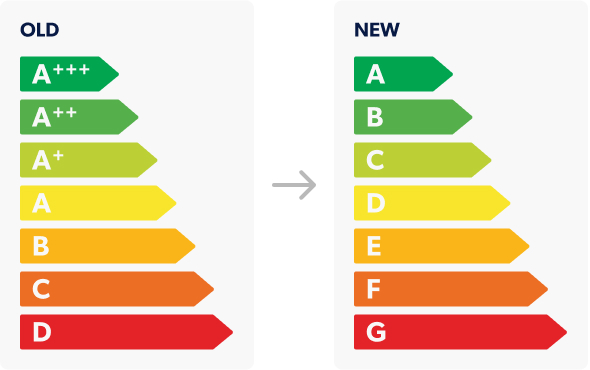
In the mid-1990s, the EU introduced the standard A-G energy certificate. Then, in 2010, labels began to include A+, A++ and A+++ ratings to embrace the demand for more energy-efficient appliances.
But the more products manufacturers created, the harder it became to distinguish between models. So, the EU updated their label and revised the testing process once again.
Today's scale of A to G replaced the old A+++ to D scale on March 1st, 2021. This affected dishwashers, washing machines, washer-dryers, TVs and refrigeration products.
What does this mean for your appliances?
Since today's kitchen appliances perform a range of jobs, manufacturers must conduct varying tests to calculate efficiency. These tests focus on a product's components, performance, and technologies, making it easier for customers to differentiate between identical models.
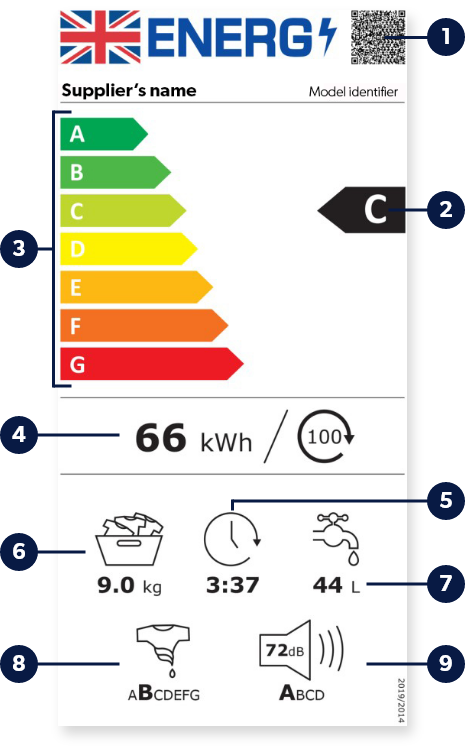
A washing machine's new energy performance certificate explained:
- QR code for more information about the model
- Energy efficiency class of product
- Energy efficiency scale A to G
- Weighted energy consumption per 100 cycles (kWh)
- Duration of the 'eco 40-60' programme
- Rated capacity for the 'eco 40-60' programme (kg)
- Weighted water consumption per cycle (litres)
- Spin-drying efficiency class
- Airborne acoustical noise emissions (db(a)) and noise emission class
Products using the new energy rating A to G
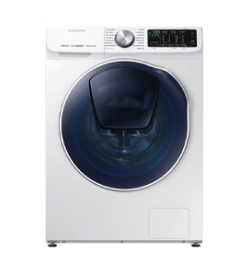
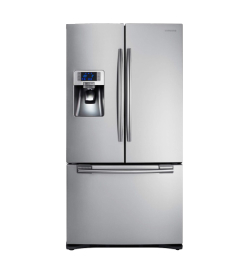
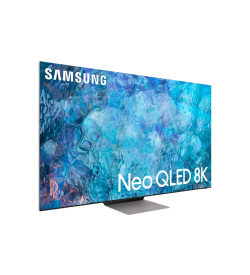
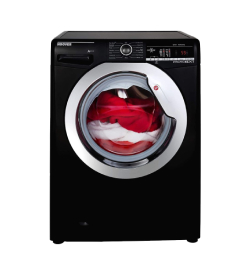
Products using the old energy rating A+++ to D
Frequently asked questions
What is an energy rating?
Many people believe an energy performance certificate explains how well a machine functions. But that's not the case. You see, a washing machine with a low energy rating may wash clothes exceptionally well; however, it requires more energy (and money) to run than a machine with a high rating.
Which appliances have been affected by this change?
TVs, dishwashers, washing machines, washer-dryers, fridges, freezers and wine coolers.
When did this change come into effect?
March 1st 2021.
Will existing appliances change at all?
No, the technologies inside products have not changed. The only difference is an updated energy performance certificate.
Is there also a noise rating?
Yes. Appliances that emit noise are given an airborne acoustical emissions rating between A and D.
What is an EPC energy rating?
An EPC rating stands for Energy Performance Certificate. This certificate is essential when buying or selling a house because it informs the seller of the building's capacity to retain heat. And there you go, your EPC ratings explained.