
7 September 2026
The utility room is the hard-working space behind every well-run property. It supports daily life in apartments, guest turnover in holiday parks and housekeeping in hotels. A well-designed utility area cuts maintenance costs, helps appliances last longer and keeps the work flowing.
This guide helps developers, landlords and operators design and equip utility and laundry spaces that are efficient, compliant and built to last.
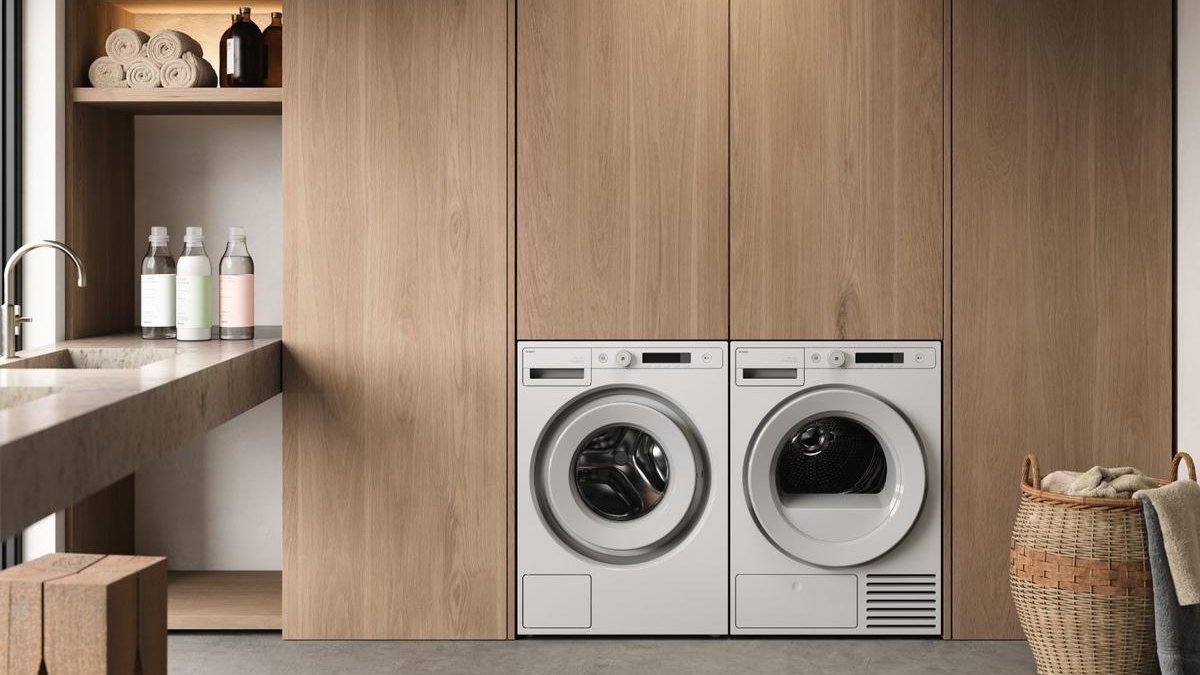
What this guide covers
Ten steps, from working out what the room is for to placing the order.
1
Identify the utility room’s role
Utility rooms do different jobs in different properties. Deciding what the room is for early means the plumbing, electrics and storage match how it will really be used.
| Project type | Main function | Design priority |
|---|---|---|
| Residential developments / show homes | Show off the lifestyle and build quality | Integrated, quiet appliances and finishes that match the kitchen. |
| Landlord & rental properties | Tenant convenience and durability | Compact, low-maintenance, energy-efficient layouts that are easy to service or replace. |
| Hospitality & serviced apartments | Fast turnaround and staff efficiency | Heavy-duty, quick-cycle appliances with easy access for housekeeping. |
| Holiday parks & lodges | Space efficiency and weather resilience | Ventilated, moisture-resistant cabinets and outside access for laundry. |
Pro tip
Leave enough room around every washer and dryer for ventilation, service access and safe clearance. It is much cheaper to plan in than to fix later.
2
Layout & workflow
A good utility room is planned around how the work flows.
Dirty to clean
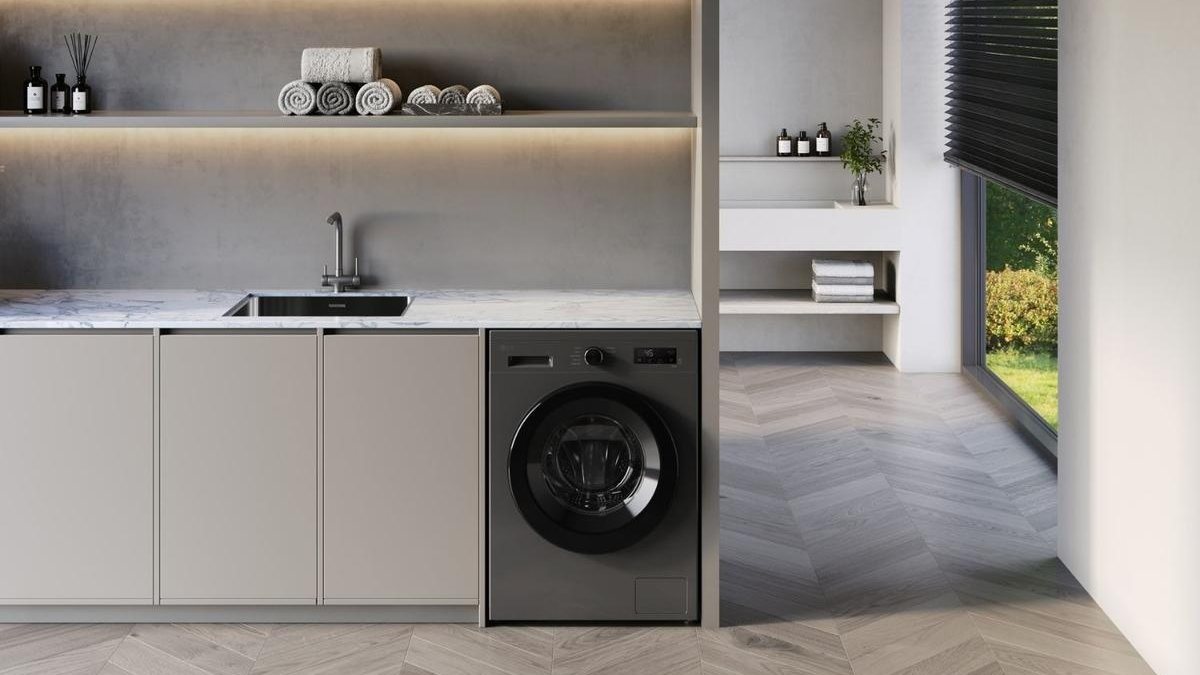
Arrange the room in order: washing machine, dryer, folding space, storage.
Stacking
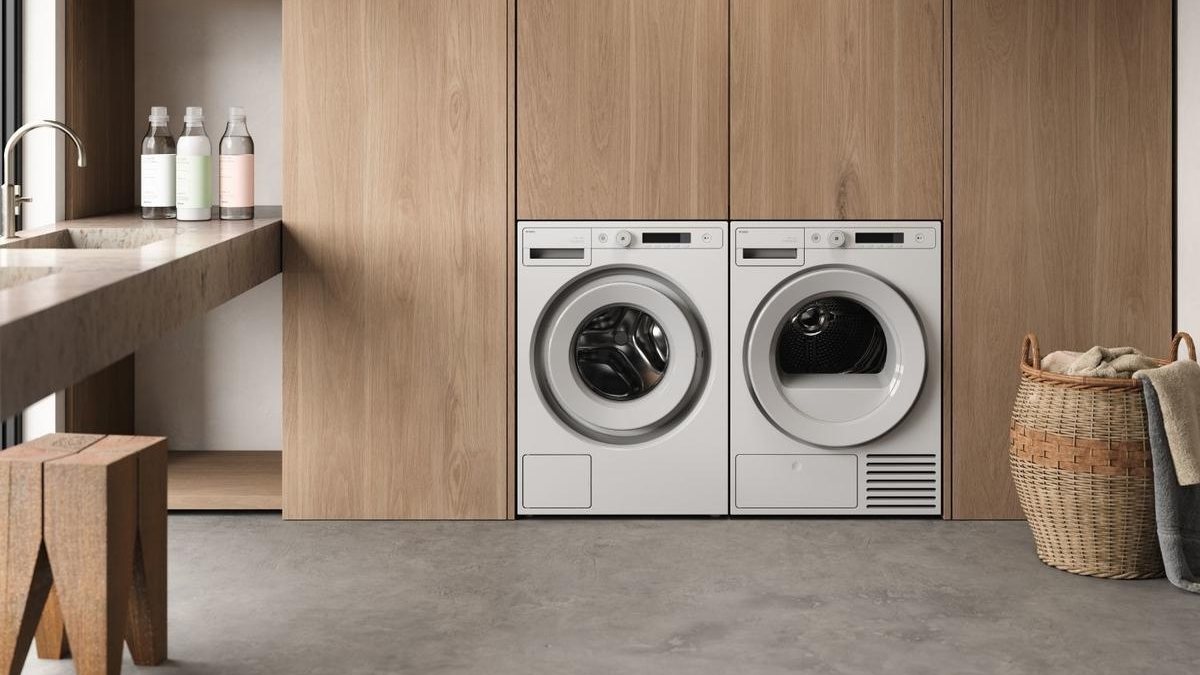
A matched washer and dryer stacked together suits flats and second laundries.
Side by side
Gives better access and a worktop above in larger or shared laundries.
Service access
Keep plumbing, electrics and filters easy to reach.
Ventilation
Meet Part F of the Building Regulations with an extractor or passive vent.
Accessibility
Keep controls, sockets and drawers within reach, in line with Part M.
3
Choose the right appliances
The right appliances keep running costs down and stand up to the workload.
Washing machines
Capacity
7 to 9kg suits most homes; 10 to 12kg suits hospitality and shared laundries.
Energy rating
A more efficient rating means lower electricity and water bills.
Noise
A quiet spin matters in flats and apartments.
Heavy use
For busy sites, look at commercial machines built for many cycles a day.
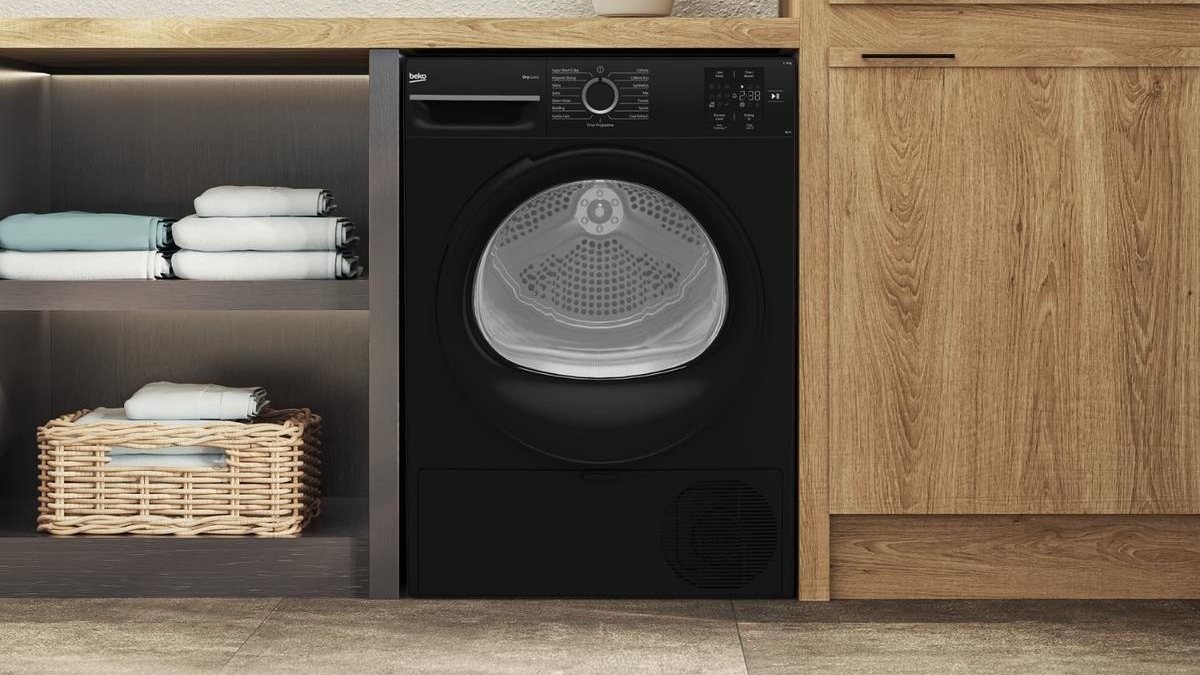
Tumble dryers
Heat pump
Uses much less energy than a vented dryer.
Condenser
No outside vent needed, which suits internal rooms.
Sensor drying
Stops when the load is dry, protecting linen.
Other equipment
Ironing stations, garment steamers or drying cabinets speed up turnaround in serviced apartments and hotels.
4
Cabinets, storage & worktops
Utility furniture has to cope with heat, moisture and vibration while keeping things organised.
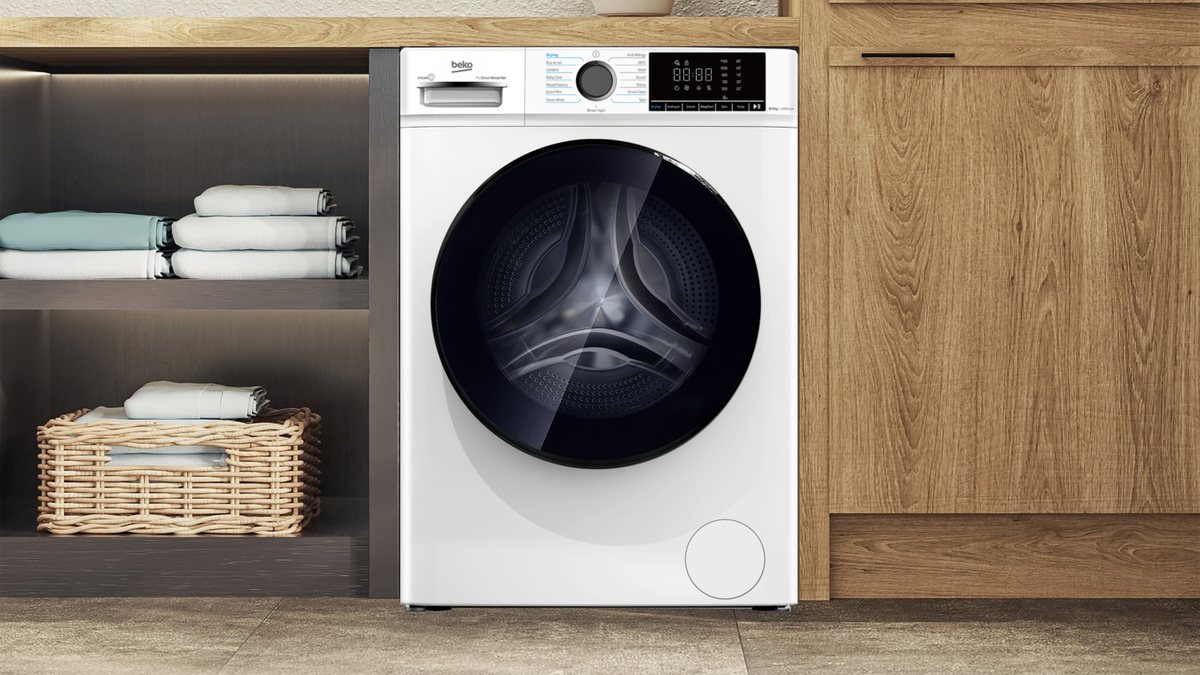
Cabinet materials
Moisture-resistant MFC or PVC-edged MDF lasts longest.
Wall cupboards
Keep detergents and cleaning products up and out of reach.
Base cupboards
Room for baskets, laundry bins and folded linen.
Worktops
Laminate is durable and good value; composite or quartz suits high-end schemes.
A utility sink
Handy for soaking, hand-washing and filling buckets.
Safety
Lockable storage for cleaning products in family and shared buildings.
5
Plumbing, electrics & compliance
A utility room brings several services into one small space, so plan them carefully.
Plumbing
- Isolation valves and braided hoses for easy maintenance
- Drip trays and leak sensors under appliances
- Non-return valves on commercial sites
Electrics
- Sockets to BS 7671 with RCD protection
- Separate circuits for washers and dryers
- Sockets at an accessible height
Ventilation
- An extractor or outside vent to stop condensation and mould
- Humidity-controlled fans in sealed lodges and basements
Drainage & waterproofing
- Water-resistant walls and sealed skirting
- Floor drains in heavy-duty or shared laundries
6
Flooring & finishes
The right finishes prevent damage and keep running costs down.
Flooring
- Slip-resistant vinyl or porcelain tile
- Rubber mats to absorb vibration
- Avoid wooden floors unless fully sealed
Walls
- Water-resistant paint or tiled splashbacks
- Upstands behind worktops
Lighting
- Bright LED task lighting
- Motion sensors in shared and staff areas
7
Sustainability & running costs
Utility rooms are one of the easiest places to cut energy and water use.
Efficient appliances
Choose the most efficient models you can and run them off-peak where possible.
Water
Flow restrictors and well-planned plumbing keep water use down.
Smart monitoring
Connected appliances help track energy and water across a portfolio.
Eco detergents
Eco-labelled products in welcome packs suit serviced accommodation.
Sensor fans
Run only when needed, improving air quality and saving energy.
8
Noise & comfort
Acoustic insulation
Acoustic boarding next to bedrooms and corridors keeps noise in.
Anti-vibration pads
Reduce noise from stacked washer and dryer pairs.
Soft-close doors
Stop banging and feel higher quality.
Room position
Put utility rooms away from living and sleeping areas where you can.
Hidden appliances
Behind cupboard doors for a premium look in show homes.
9
Maintenance & lifecycle
Routine checks
Inspect filters, hoses and vents every quarter to prevent leaks and downtime.
Annual servicing
Hospitality and multi-unit operators should book annual inspections.
Replacement planning
Budget ahead for upgrades so appliances keep up with EPC standards.
Cleaning routines
Set clear cleaning and disinfection steps for guest and shared laundries.
10
Procurement & efficiency
Buying well turns complex multi-site fit-outs into simple, cost-controlled projects.
Standard utility packs
Appliances, cabinets and fittings agreed in advance, so repeat orders are simple.
One supplier, several brands
Buyit gives you Appliances Direct, Furniture 123 and Better Bathrooms through one buying process.
Delivery coordination
Delivery planned around installation and phased build programmes.
One account
Track every product across your properties through one B2B account.
Equipping utility rooms across a portfolio?
Talk to our B2B account managers about utility packages and volume quotes.
Contact our B2B team